
Future-Proofing York Home Electrics for EVs, Heat Pumps & Smart Tech
Coordinate the supply, circuits, earthing, controls and data routes behind your next EV charger, heat pump, solar array, battery or connected-home upgrade.
Coordinate the supply, circuits, earthing, controls and data routes behind your next EV charger, heat pump, solar array, battery or connected-home upgrade.
EV charging, heat pumps, solar generation, batteries and smart controls can change how power enters, moves through and sometimes leaves a York home. Treating each as an isolated purchase can cause duplicated work or missed capacity constraints.
Older wiring is not automatically inadequate because of age. Some older installations remain serviceable; some newer ones have limitations. Capacity and condition require inspection, testing and calculations based on the technologies and operating patterns actually planned.
| Assessment | What it establishes | Why it affects the roadmap |
|---|---|---|
| Incoming supply | Service arrangement, main fuse information, meter position and available capacity. | Higher demand or generation may require network operator coordination. |
| Consumer unit | Condition, protective devices, surge protection, RCD arrangements and spare ways. | New circuits need suitable protection and physical capacity. |
| Earthing and bonding | Earthing arrangement, conductor condition and relevant bonding. | Protection choices for EVs and other equipment depend on it. |
| Existing circuits | Test results, cable routes, loading and suitability for continued use. | Shows what can remain, what needs repair and where dedicated circuits are needed. |
| Demand profile | Current and proposed loads, timing, diversity and control options. | Prevents simply adding every nameplate rating or ignoring simultaneous demand. |
Depending on findings, work may range from one new circuit to a consumer unit upgrade, earthing improvements or planned partial or full rewiring. Assessment should drive the scope.
Resolve defects, confirm supply assumptions and leave suitable board space, routes and documentation.
Design the circuits and controls for equipment already selected, using manufacturer data and specialist input.
Allow sensible spare containment, data routes and physical space without installing speculative circuits blindly.
Update schedules, labels, certificates and load assumptions as each stage is commissioned.
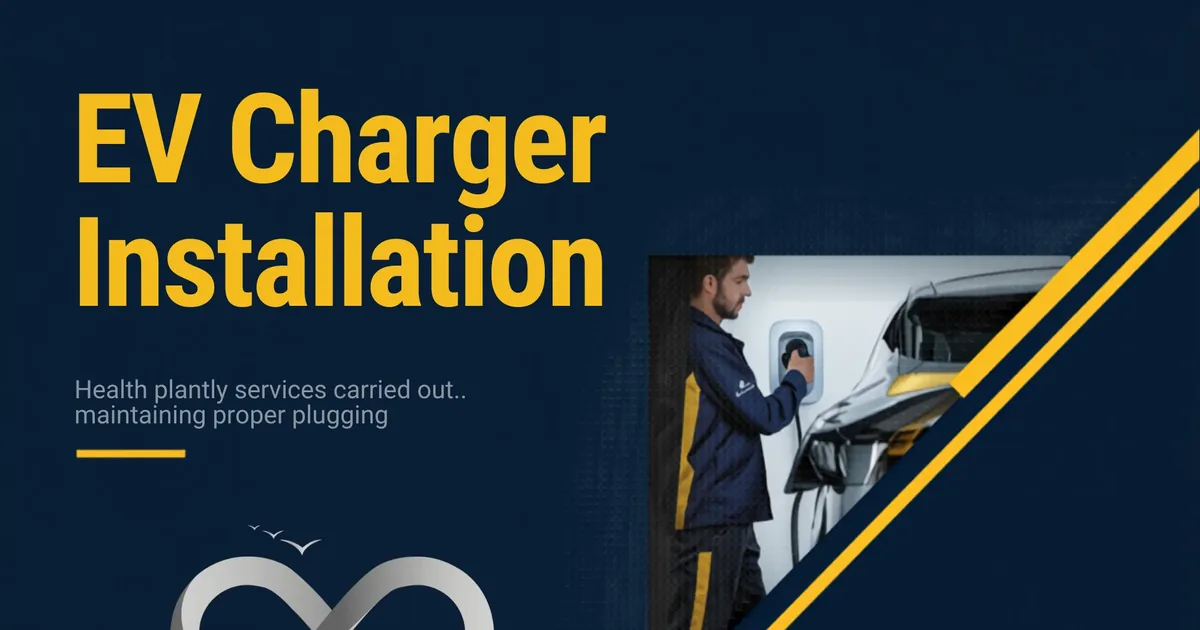
EV charging equipment is generally designed on a dedicated final circuit with cable, isolation, overcurrent protection, residual-current protection and earthing arrangements selected for the property and charger. BS 7671 Section 722 addresses electric vehicle charging installations, but compliant design still depends on the site and equipment.
Load management can help coordinate charging with other household demand, but it is not a universal substitute for adequate supply or circuit design. Location, cable route, charger rating, open-PEN protection where relevant, network notification or application, and future vehicle use all need review. See our EV charger installation service for project enquiries and the Yorkshire EV charger grants guide for current eligibility context.
A heat pump's electrical requirements come from the selected system, including outdoor unit, controls, pumps and any backup or immersion heating. Design should use manufacturer information and consider when those loads may overlap with EV charging, cooking and other high-demand equipment. Diversity and controls need project-specific calculation, not a blanket allowance.
Solar PV and battery systems introduce generation, storage, import and export. Protection, isolation, metering, consumer-unit connections and network requirements must be coordinated. Some systems can move power in more than one direction, and emerging vehicle-to-home or vehicle-to-grid equipment adds further bidirectional considerations. Compatibility and permissions should be confirmed for the chosen system rather than assumed.
A future-proof plan is not a promise that every future product can connect unchanged. It creates documented capacity, routes and decision points so later designers can assess additions with better information.
Use wired network points for fixed high-bandwidth equipment where practical, with Wi-Fi planned as part of the system rather than the only layer.
Coordinate mains, data and control containment with appropriate separation and crossing arrangements.
Allow power, ventilation, access and network connections for routers, controllers, inverters and energy-management equipment.
Plan usable switches and fallback operation so essential lighting and heating are not dependent on one app or cloud service.
Document cable destinations and leave draw wires or accessible containment where future routes are genuinely likely. This is usually more useful than filling walls with undefined spare cable.
No. Age alone does not establish capacity or condition. The supply, earthing, consumer unit, circuit design, test results and expected simultaneous demand need assessment before deciding what upgrades are required.
EV charging equipment is generally designed on a dedicated final circuit with protection and earthing arrangements selected for the installation, taking account of BS 7671 Section 722 and equipment instructions.
Yes. Generation, storage, import, export, metering, protection and possible bidirectional power flow must be coordinated with the existing installation, network requirements and the chosen equipment.
Often yes. Planning wired network points, control cables, equipment hubs, spare containment and separation from mains wiring before finishes are closed can improve reliability and reduce later disruption.
For independent regulatory and safety context, consult the current official guidance below. Requirements can change, and advice for a specific installation should be based on an on-site assessment.